


Unlocking the Secrets of Cellular Turnover Decline after Age 30

Our bodies constantly renew themselves through a process called cellular turnover. This natural cycle replaces old or damaged cells with new ones, keeping tissues healthy and functioning well. Yet, after age 30, this process slows down noticeably. Understanding why cellular turnover declines can shed light on aging and help us make choices that support healthier aging.

What Is Cellular Turnover?
Cellular turnover refers to the replacement of old cells with new ones. Different tissues have different turnover rates. For example:
Skin cells renew approximately every 28 days in young adults.
Intestinal lining cells replace every 4-5 days.
Bone cells renew more slowly, over months or years.
This constant renewal helps maintain tissue integrity, repair damage, and support overall health.
Why Does Cellular Turnover Slow Down after 30?
Several biological factors contribute to the slowdown of cellular turnover as we age:
1. Reduced Stem Cell Activity
Stem cells are the source of new cells in many tissues. After 30, stem cells become less active and less efficient at dividing. This decline reduces the supply of fresh cells needed for tissue renewal.
2. Accumulation of Cellular Damage
Over time, cells accumulate damage from environmental factors like UV radiation, pollution, and oxidative stress. Damaged cells function poorly and may signal the body to slow down renewal to avoid errors in new cells.
3. Changes in Hormone Levels
Hormones such as growth hormone and sex hormones influence cell growth and division. After 30, levels of these hormones gradually decrease, leading to slower cell regeneration.
4. Telomere Shortening
Telomeres protect the ends of chromosomes during cell division. Each division shortens telomeres slightly. After many divisions, telomeres become too short, causing cells to stop dividing or die. This limits the number of new cells produced.
Practical Examples of Slowed Cellular Turnover
Skin aging: Reduced turnover leads to thinner skin, wrinkles, and slower wound healing.
Bone density loss: Slower renewal contributes to weaker bones and higher fracture risk.
Digestive health: Slower intestinal lining renewal can affect nutrient absorption and gut health.

Supporting Cellular Turnover as You Age
While aging is natural, certain lifestyle choices can support healthier cellular renewal:
Balanced diet: Foods rich in antioxidants (berries, leafy greens) help reduce cellular damage.
Regular exercise: Physical activity stimulates circulation and hormone balance.
Adequate sleep: Sleep supports repair processes and hormone regulation.
Sun protection: Limiting UV exposure prevents excessive skin cell damage.
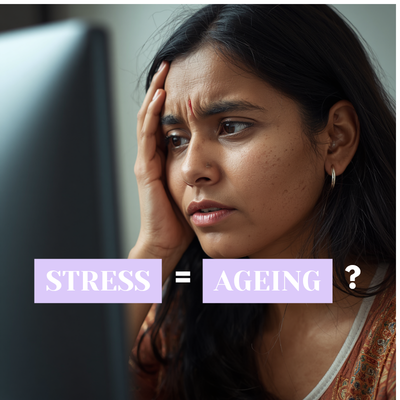
Stress management: Chronic stress can impair cell renewal through hormonal effects.


Comments