


Understanding Hormonal Changes and Their Impact on Melasma in Your 30s

Melasma is a common skin condition that causes dark, irregular patches on the face. Many people notice these changes in their 30s, a decade when hormonal shifts often become more noticeable. Understanding how hormones influence melasma can help you manage and reduce its appearance effectively.

What Causes Melasma in Your 30s?
Melasma occurs when melanocytes, the cells that produce pigment, become overactive. Hormonal fluctuations are a major trigger, especially in your 30s when:
Pregnancy or postpartum changes can increase estrogen and progesterone levels.
Birth control pills or hormone replacement therapy introduce synthetic hormones.
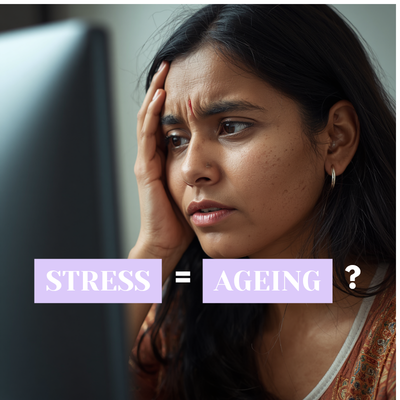
Stress and lifestyle changes affect hormone balance.
Thyroid disorders can also influence pigmentation.
These hormonal changes stimulate melanocytes, leading to the characteristic brown or grayish patches, often on the cheeks, forehead, nose, and upper lip.
How Hormones Affect Hyperpigmentation
Estrogen and progesterone play a key role in melasma development. They increase the production of melanin, the pigment responsible for skin color. When these hormones rise, melanocytes produce more melanin unevenly, causing hyperpigmentation.
In your 30s, hormone levels can fluctuate due to:
Starting or stopping hormonal contraceptives.
Pregnancy-related hormone surges.
Changes in thyroid function.
Stress-induced hormone imbalances.
This explains why melasma often appears or worsens during these times.
Managing Melasma with Hormonal Awareness
Understanding the hormonal link helps tailor your approach to managing melasma. Here are practical steps:
Consult a healthcare provider before starting or stopping hormonal medications.
Use broad-spectrum sunscreen daily to protect skin from UV rays, which worsen pigmentation.
Incorporate skincare products with ingredients like niacinamide, vitamin C, and azelaic acid to reduce dark spots.
Consider professional treatments such as chemical peels or laser therapy, but only under expert guidance.
Maintain a balanced diet and manage stress to support hormone balance.

When to Seek Professional Help
If melasma patches appear suddenly, spread quickly, or do not improve with home care, see a dermatologist. They can:
Diagnose underlying hormonal issues.
Recommend prescription treatments like hydroquinone or tretinoin.
Suggest hormone testing if needed.
Early intervention can prevent melasma from becoming more stubborn and widespread.
Final Thoughts on Hormones and Melasma in Your 30s
Melasma in your 30s often reflects the natural hormonal changes your body experiences. By recognizing this connection, you can take informed steps to protect your skin and reduce pigmentation. Regular sun protection, thoughtful skincare, and professional advice form the foundation of effective melasma management.


Comments