


The Impact of Stress on Skin Aging and the Role of Cortisol

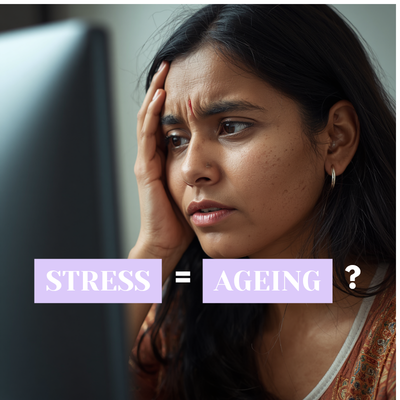
Stress affects more than just your mood and energy. It can also accelerate the aging of your skin. The hormone cortisol, released during stress, plays a key role in breaking down your skin’s structure. Understanding how this happens can help you take better care of your skin and slow down premature aging.
How Stress Triggers Cortisol Production
When your body faces stress, it activates the hypothalamic-pituitary-adrenal (HPA) axis, which signals the adrenal glands to release cortisol. This hormone helps your body respond to immediate threats by increasing energy and suppressing non-essential functions. While cortisol is useful in short bursts, chronic stress keeps cortisol levels high, which harms your skin over time.
Cortisol’s Effect on Skin Structure
Cortisol breaks down collagen and elastin, two proteins that give your skin strength and elasticity. Collagen forms the skin’s framework, while elastin allows it to stretch and bounce back. When cortisol degrades these proteins, your skin loses firmness and starts to sag. This process leads to wrinkles, fine lines, and a dull complexion.
In addition, cortisol reduces the skin’s ability to retain moisture by impairing the production of natural oils. Dry skin becomes more prone to irritation and damage, making signs of aging more visible.
Examples of Stress-Induced Skin Aging
Work-related stress: People with high-pressure jobs often report more wrinkles and uneven skin tone.
Sleep deprivation: Lack of sleep raises cortisol levels, which accelerates skin aging.
Emotional stress: Anxiety and depression can increase cortisol, leading to skin problems like acne and premature wrinkles.
How to Protect Your Skin from Cortisol Damage
Managing stress is the first step to protecting your skin. Here are some practical tips:
Practice relaxation techniques such as meditation, deep breathing, or yoga.
Maintain a regular sleep schedule to help regulate cortisol levels.
Use skincare products rich in antioxidants and peptides to support collagen production.
Stay hydrated to keep your skin moisturized and resilient.
Avoid excessive sun exposure, which worsens collagen breakdown.


Comments